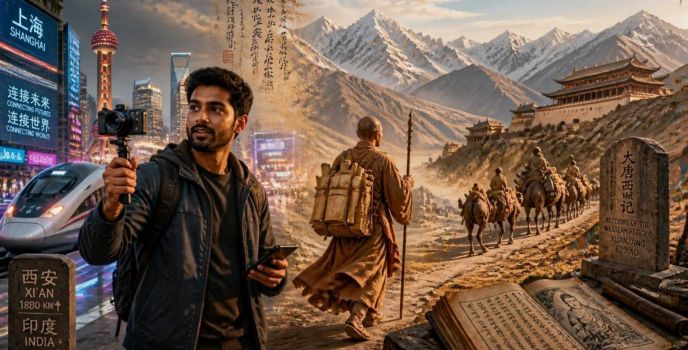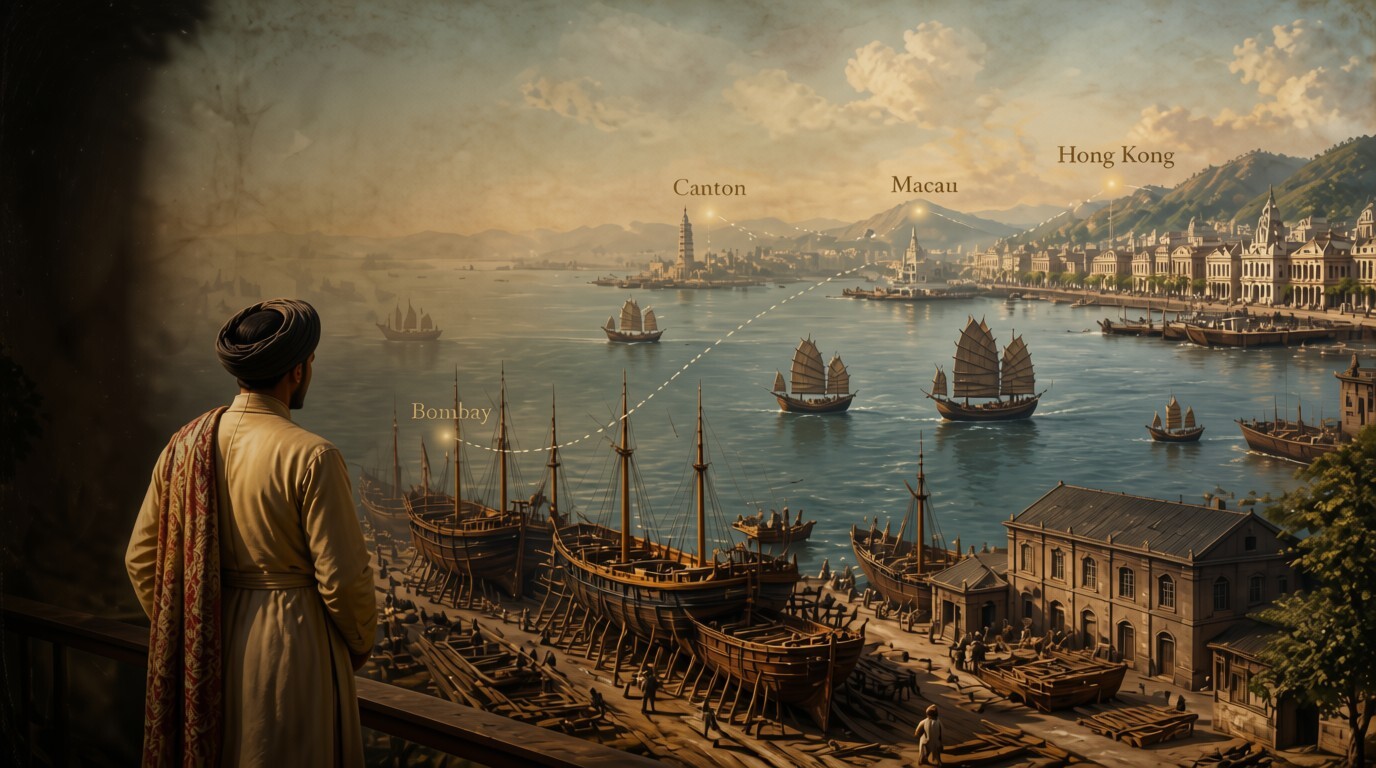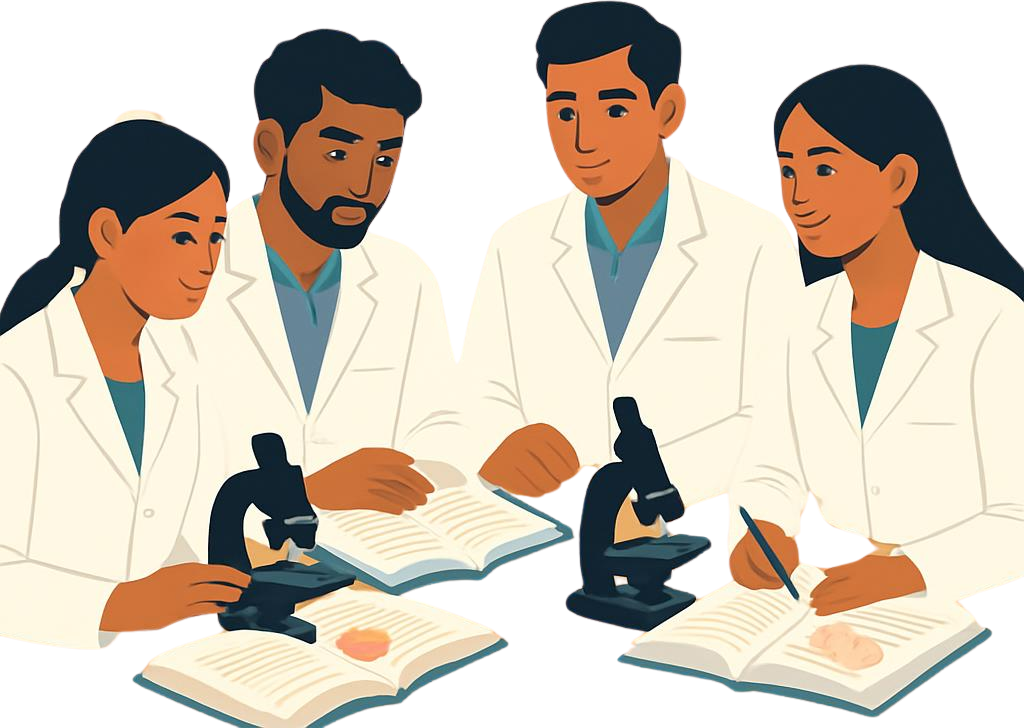
Education is a particularly significant channel of cultural exchange, for its ability to shape worldviews and leave lasting impressions. Since the earliest days of civilizational exchange, knowledge has drawn people from India and China to journey across oceans and deserts to reach educational centres and places of learning. In contemporary times too, education continues to mould the cultural engagements taking shape between India and China.
India and China both share a highly competitive examination system for entry into universities. Degrees like engineering and medicine are prized and entry into such programs is often difficult, and sometimes out of reach. Education in medicine and related disciplines is particularly valued. In India, 12.36 lakh students cleared the NEET exam, and compete for the 1.18 lakh MBBS seats available across 780 medical colleges across the country. Against this backdrop, students choose to pursue their medical education abroad, in places like Russia, Ukraine, China and other countries where medical education is more accessible or even affordable. China in particular has emerged as a destination of focus for Indian students pursuing an MBBS or medical degree, creating a channel of people-to-people ties and cultural exchange.
Over the last decade, Indian students travelling to China for medical education have witnessed a rise and fall, and subsequently a resurgence impacted by political events, the outbreak of Covid-19 and other regulatory issues. Despite the numerous challenges of pursuing a medical degree from China, it continues to remain a resilient and enduring avenue of educational and cultural exchange.
Push and Pull of Medical Education in China
A variety of reasons motivate Indian students to pursue an education in China, specifically for medicine. With highly competitive medical examinations, high tuition fees, and high cost of living, many thousands of Indian students travel to China for obtaining higher education degrees like MBBS. They're attracted by scholarships and the cost-effective living in China, which is significantly lower than Western countries or even India. One study found that students finish their MBBS course in China within half the cost of what they would spend at a private college in India. Moreover, quality education and promising job prospects in diverse fields add to the appeal. With rising costs of education in India, China's affordable yet quality offerings in English-medium MBBS courses present a practical alternative for students.
The footprint of Indian students studying medicine in China has grown significantly over the last two decades. The first batch of Indian students travelling to China in 2004, following PM Vajpayee’s visit, numbered 150. Medicine emerged as a target sector in the following years when 214 universities in China were listed to receive Indian students. In 2016, 45 universities in China were made eligible to provide English-language medical education to international students. By 2021, V. Muraleedharan, India's Minister of State for External Affairs revealed, 23,000 Indian students were pursuing education in China. And 21,000 of them were enrolled to study medicine. This number has further increased to 25,000 by 2025.
While there are motivating factors that draw Indian students to medical education in China, Chinese universities are equally keen to enrol them. Greater participation from India helps project a positive image of Chinese education and the country, while also contributing to the attraction of foreign talent. To support these objectives, the Chinese government opened thousands of scholarships for international students, like Zhengzhou University’s School of Medicine scholarship and the China Medical University’s Silk Road Scholarship program.
Education Experience
Indian students studying in China have a variety of experiences during their study and stay in China. One student called ‘Rey’, is nicknamed ‘Yangtze River’ in China. He moved to Nanchong, Sichuan from Haryana, India in order to pursue a medical career. During his study abroad journey, he became an internet celebrity and was also reported on the news as an- “Indian brother ‘Yangjiang’”. He is on multiple social media platforms and has over 500,000 fans. Rey says, "the competition for our domestic college entrance examination is very fierce. I studied for two years before I went abroad and came to Nanchong." While his limited knowledge of Chinese languages was initially a barrier and he could only say, ‘hello’ and ‘thank you’, he studied with his Chinese friends, consulted books and picked up basic Chinese communication skills. It is through Rey’s videos that audiences are able to access insight into student life in China. It helps break stereotypes, view a different culture and promote exchange of knowledge.
Like Rey, approximately 10,000 Indian students are currently experiencing higher education programs across various provinces of China. They engage with Chinese culture and people, through peer-mentoring and counselling programmes which provide help to adapt and integrate into Chinese culture. Besides medicine, Indian students travel to China for other degrees as well. Vivek Mani Tripathi from Bihar, whose Chinese name is, 'Zhihui,' states that his family was wary of his decision to pursue the Chinese language instead of Sanskrit despite his father being a Sanskrit professor. He eventually moved to China, where he teaches Hindi at Guangdong University and is a part of the Foreign Studies department. He promotes cultural exchange between the two countries by sharing with his students’ stories of ancient Indian and Chinese civilizations, common history, culture and ethnicity.
This process of acculturation during educational pursuits in China has several implications for both India and China’s cultural exchange. The exchange of knowledge in fields like medicine, allows both countries to advance technological research and medical experiences. Students studying in one country and practicing medicine or research in another are conduits of knowledge and collaborative research between India and China. Moreover, the social media presence of Indian students in China also provides key insights into Indian cultural for Chinese students and nationals. The process of adaptation and migration is captured through these platforms and distributed to wider audiences in a globalised world.
Challenges and Limitations
Although the advantages of Indian students travelling to China for medical education have been discussed widely, the experience of Indian students has also been challenging. Following the political tensions between India and China after the Doklam and Galwan clashed in 2017 and 2020, the scope of cooperation narrowed. However, the interest of Indian students to study in China was not affected in the medical field. However, the outbreak of Covid-19 created numerous challenges for Indian students who had to be evacuated back to India, and were forced to wait more than a year for relaxation of air travel restrictions by China to return to their universities. In July 2021, nearly 3,000 Indian students formed a Telegram group to find ways to attract the attention of the Indian and Chinese governments regarding this issue. A hashtag campaign under the name #takeusbacktochina was started on social media platforms. Some students even claimed that students from other countries like US and Sout Korea were being allowed back to China, but Indian students were not allowed to return yet. Besides the disruption caused by the pandemic, there are also technical, regulatory and language issues that limit the impact of Chinese education on Indian students.
Challenges relating to inadequacies in practical and clinical training, regulatory incompatibility of degrees and diminishing returns have been highlighted by members of the student community in China. Even the Indian diplomatic representation in Guangzhou has cautioned Indian medical students of the challenges of studying in China, based on the experiences of previous students. The biggest source of concern for Indian students has been clearing the FMGE examination to be eligible to work in India. Those returning from China have struggled with the FMGE process and some estimates state that less than 10% of students who study medicine in China pass this exam. With the recent thaw in India-China relations, it is possible that these challenges are addressed, to allow smoother flow of people-to-people ties in the education sector.
In conclusion, the experience of Indian medical students in China is a key source of knowledge, information and value exchange between these countries. They continue to inform perceptions of younger generations, create opportunities for education and employment, and foster greater cultural understanding. Overcoming the challenges relating to the experiences of Indian students in China by governments on both sides could be a win-win solution offering political and economic dividends.
.jpg)